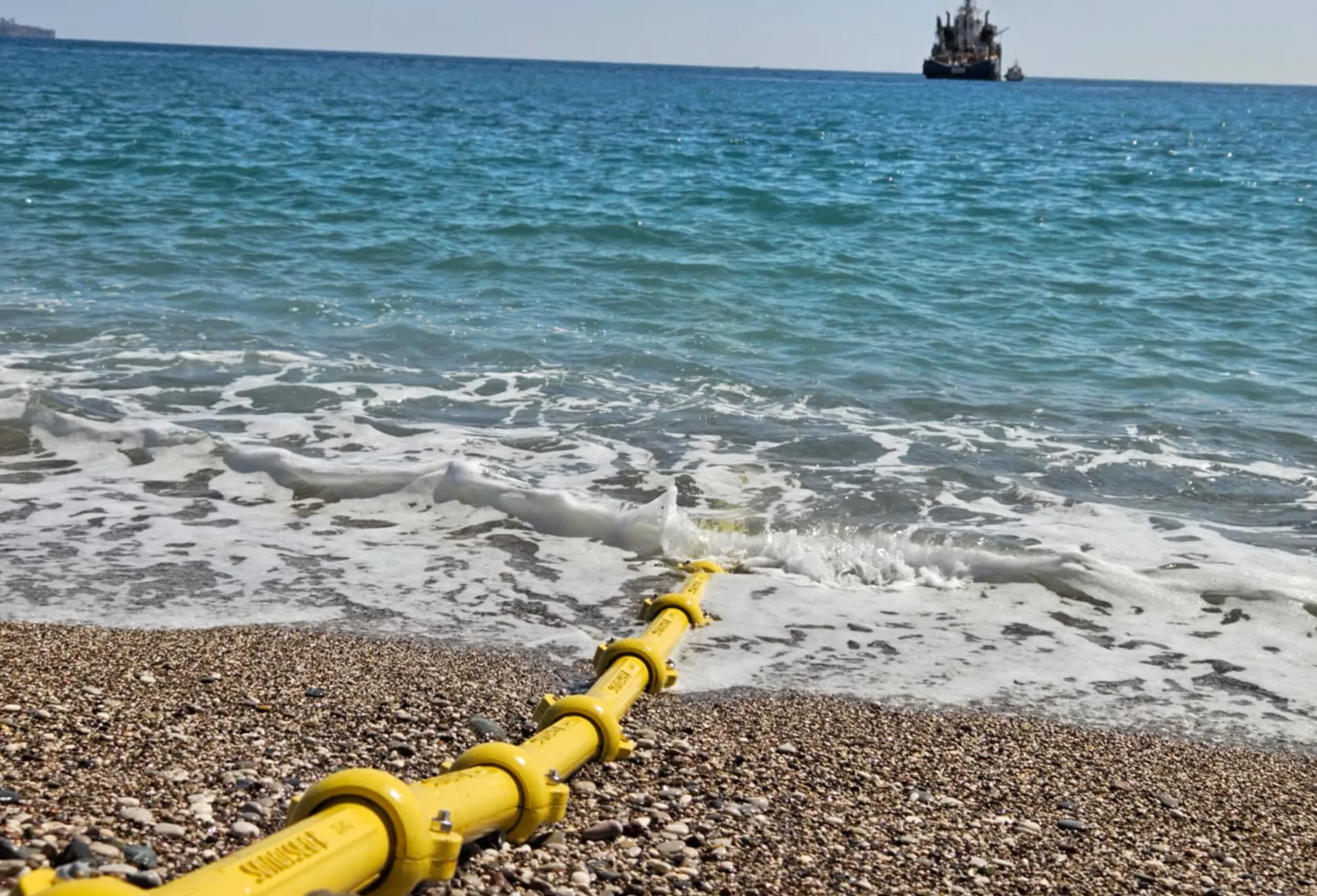
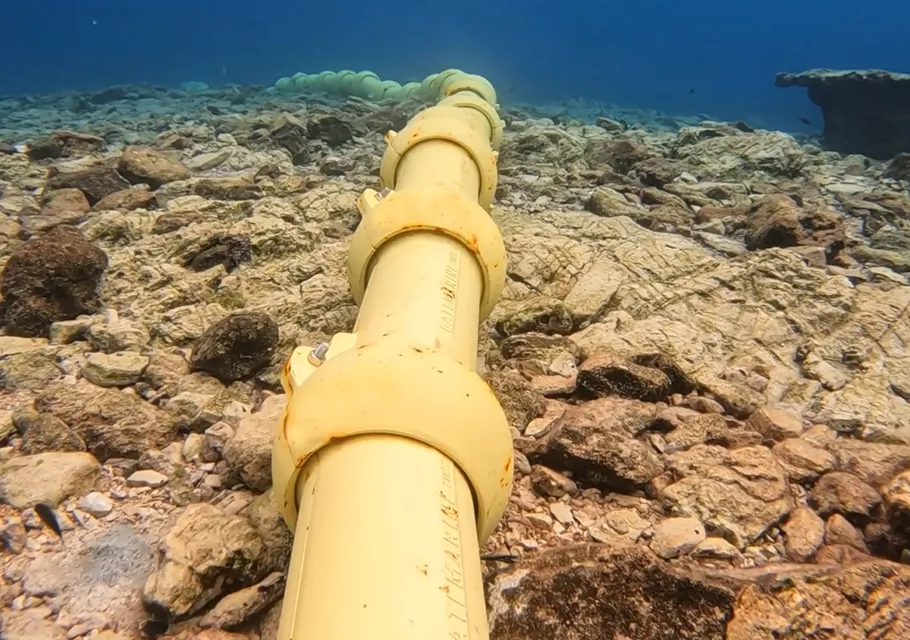
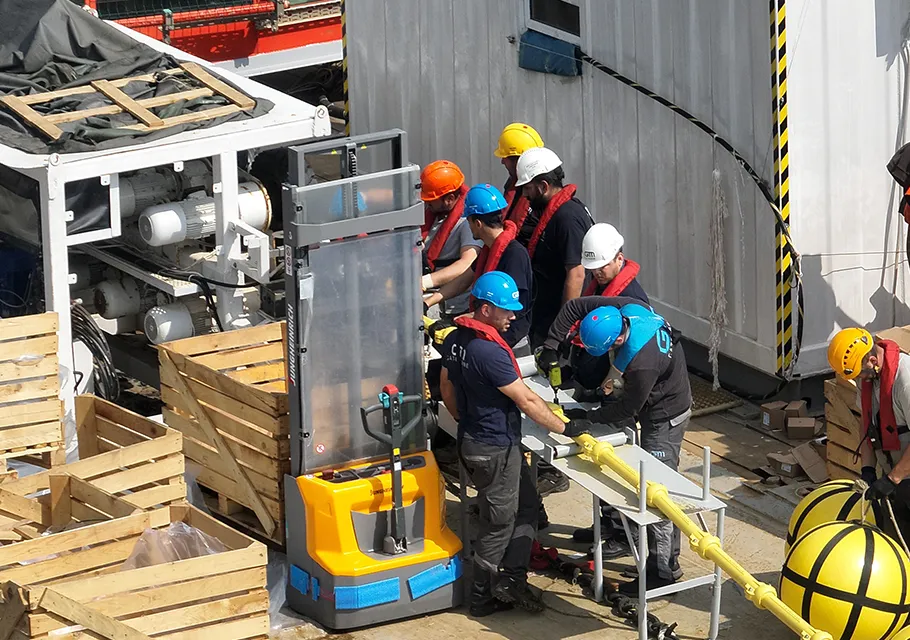
GateMarine delivers Cable Protection solutions for subsea fiber optic and power cables, recognizing protection systems as a critical engineering discipline for long-term cable safety and operational continuity. Subsea cables are exposed to environmental forces, mechanical stresses, and third-party risks after installation, making protection an integral part of project design.
GateMarine’s Cable Protection approach is developed on a project-specific basis, considering seabed conditions, environmental factors, cable characteristics, and operational requirements.
Subsea cable protection solutions are not limited to physical coverage; they require the combined integrity of electrical, optical, and structural performance. GateMarine evaluates cable type, operating voltage, water depth, seabed conditions, and environmental loads during joint design.
GateMarine evaluates Desktop Study outputs, survey data, and offshore conditions to optimize protection systems, ensuring neither overdesign nor under-protection.
Articulated Pipe Protection (APP) systems provide mechanical protection for subsea cables, particularly in shore approaches, and high-risk zones. APP systems enhance cable resistance to external forces while maintaining flexibility.
GateMarine selects and installs APP systems based on cable diameter, weight, and seabed characteristics, supporting long-term stability and reliability.
Cable crossing areas represent some of the highest-risk locations within subsea cable systems. In such areas, both the cable and any crossed assets, such as pipelines, must be protected in terms of mechanical integrity and operational safety.
GateMarine designs crossing protection solutions that balance loads on the cable and minimize third-party damage risks using survey data and engineering analysis.
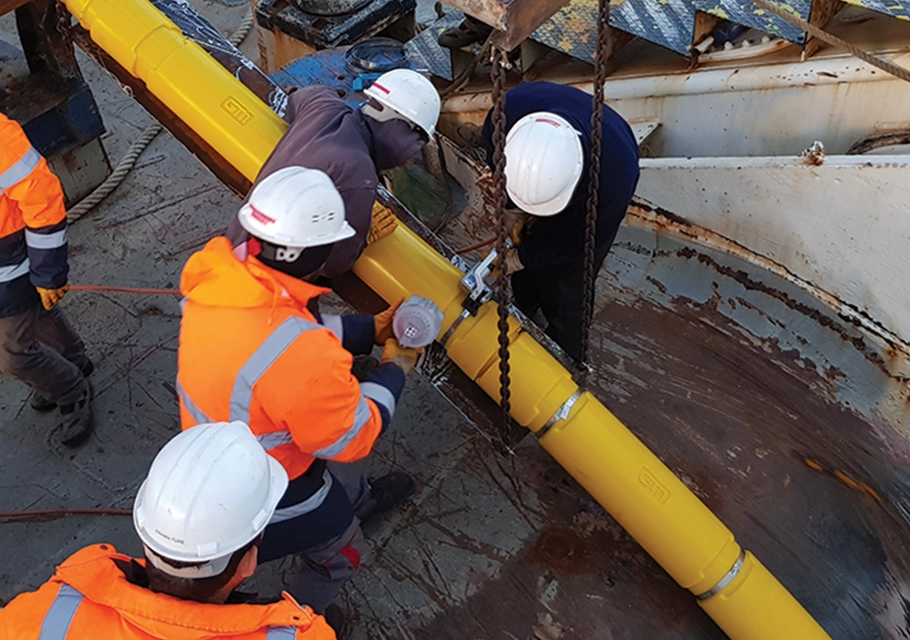
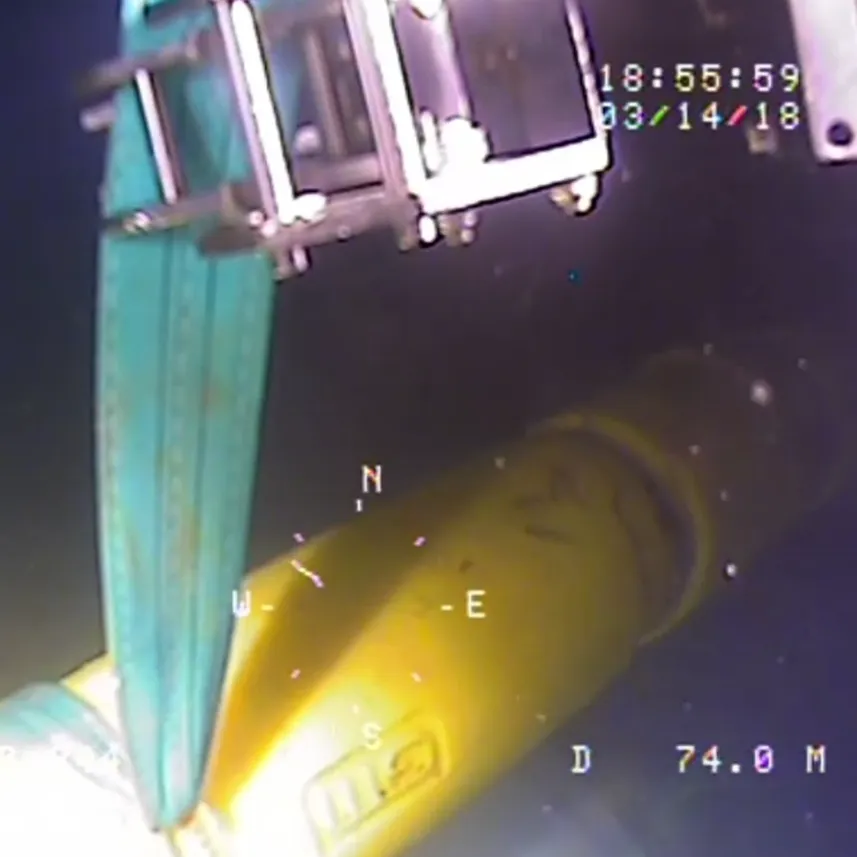
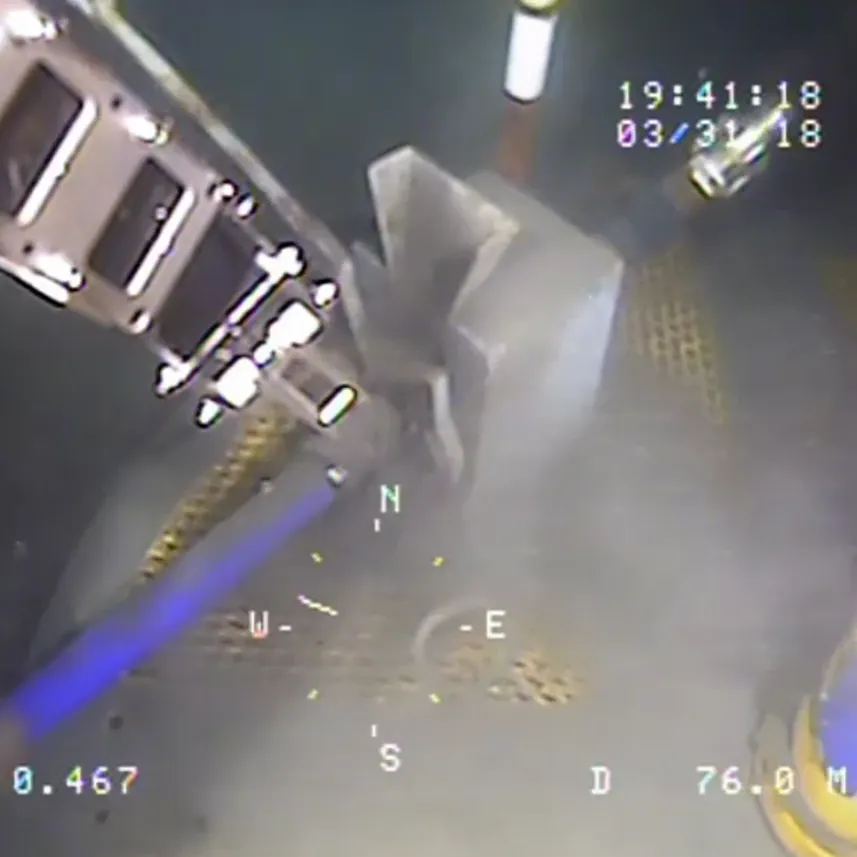
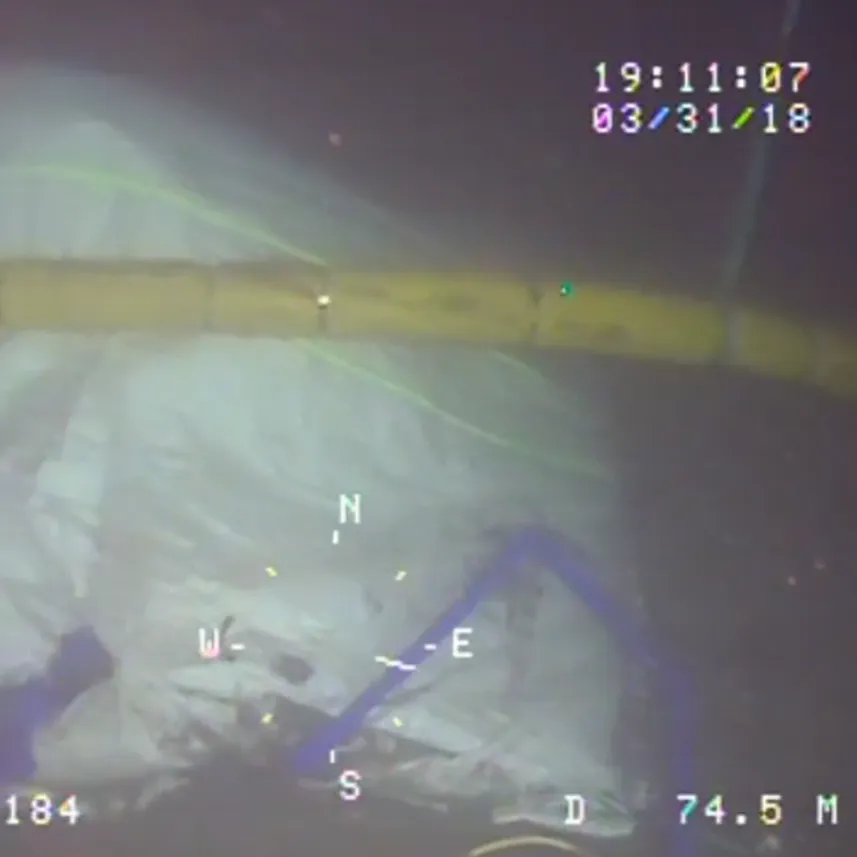
Cable stabilization is essential to prevent seabed movement and free spans. GateMarine plans stabilization and burial support solutions based on seabed conditions and environmental loading.
These solutions ensure safe cable positioning and long-term protection under natural forces.
Shore-end areas are exposed to increased risks from waves, marine traffic, fishing activities, and human interaction. GateMarine applies dedicated mechanical protection and stabilization solutions in these zones.
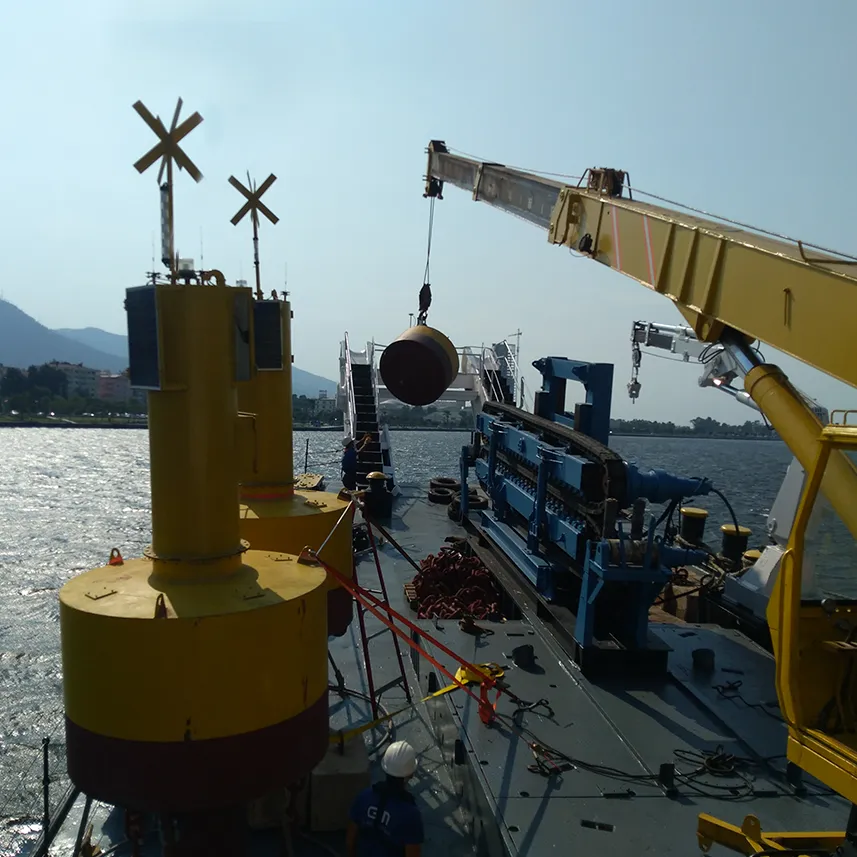
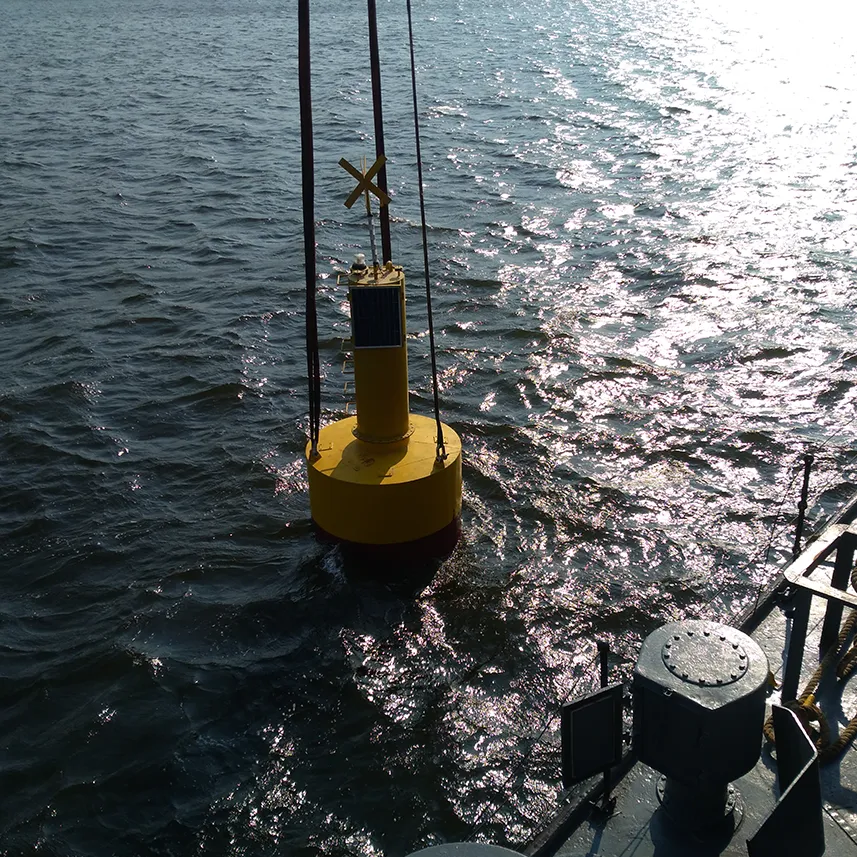
In addition, marker buoy systems equipped with flashing navigation lights are deployed to enhance surface visibility, reduce third-party interference, and improve navigational awareness around cable landing points.
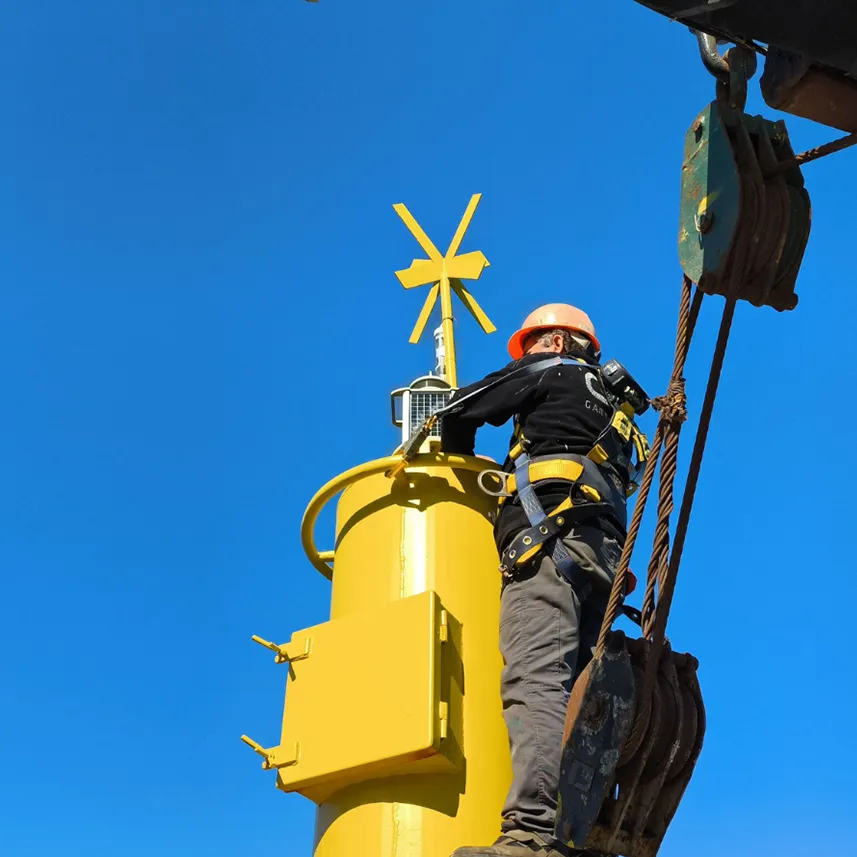
Marker buoy systems are used particularly at shore landing areas and shallow waters to clearly indicate the position of submarine cables. Buoys equipped with flashing lights provide visual warning of the cable route during night time and low visibility conditions.
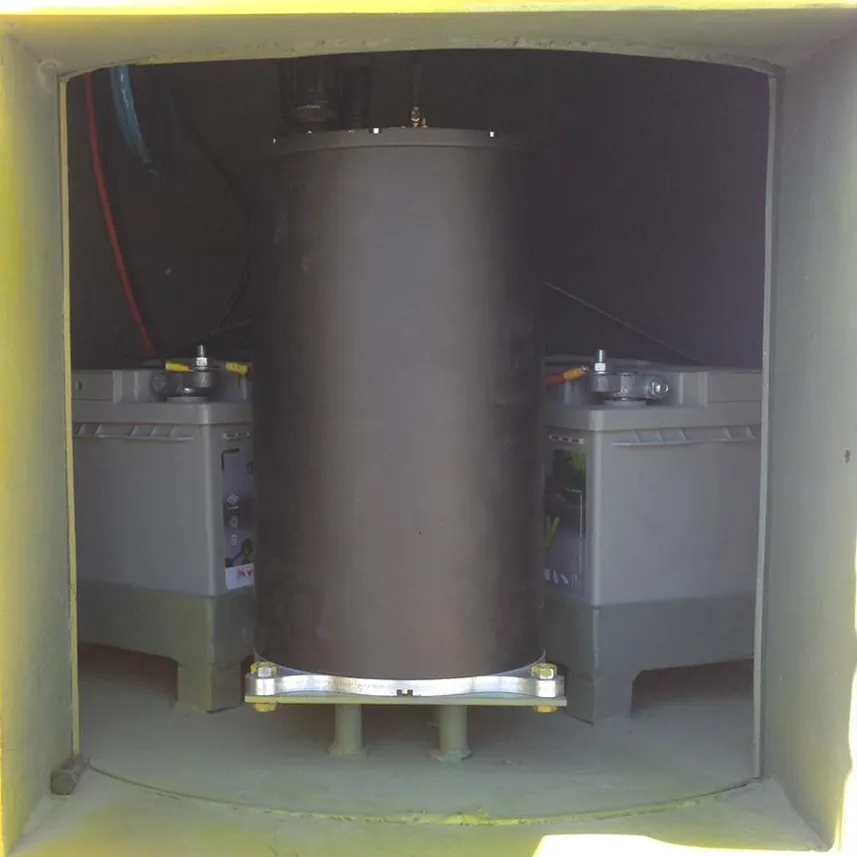
As part of the cable protection concept, GateMarine utilizes advanced marker buoy systems developed through internal R&D activities in accordance with project requirements. These systems can be equipped with AIS, wind, current, and environmental sensors to continuously monitor vessel movements and sea conditions around the cable route. Monitoring modules installed on the buoy are capable of detecting vessels with potential anchoring risk at an early stage and transmitting collected data to remote monitoring systems, allowing users and authorized authorities to be informed via internet-based platforms.
This approach enhances the long-term safety of submarine cable systems, improves operational awareness, and provides an active monitoring layer for the protection of critical offshore infrastructure.
Cable Protection works are executed in coordination with cable installation, maintenance, and repair operations. All activities are planned considering cable condition and operational constraints.
GateMarine applies controlled offshore procedures and verifiable execution steps to ensure long-term performance of protection systems.

Engineering-driven services for subsea cable installation, marine survey and offshore operations.
We provide reliable solutions with our expert team for submarine cable projects.
Gate Marine - Copyright 2026. All rights reserved.